Conversations with Andrew: Getting to know his Photographic Legacy
Dear Friends, Art Lovers, and Patrons,
I’m excited and honored to present to you the first of a series of conversations with Andrew that explore his life and captivating archive. His work is full of empathy and has documented the essence of human experience for half a century. Our conversations will delve into the stories behind Andrew's favorite, and most widely viewed photographs but also uncover treasures from his extensive archives. This series aims to deepen your connection with Andrew's work, inspiring the collector in you to own a piece of photographic history.
I’ve decided to write this conversations from a single perspective, so that it reads as if Andrew was speaking or writing directly to you. If questions come up for you while reading please send them and we’ll answer them as we are able!
We invite you to join us on this journey of discovery. Each post will unveil the rich narratives behind Andrew's photographs, and also present opportunities for you to connect with, and perhaps acquire these timeless pieces of art for yourself. As we share these stories, we hope to ignite your passion for collecting and appreciating the profound depth and beauty of Andrew’s photography.
Warm regards,
Joshua LeMasters, Andrew’s Apprentice & Studio Manager
The following is written from Andrew’s perspective and paraphrased from a conversation between Andrew Kilgore and Joshua LeMasters on January 9th, 2024:
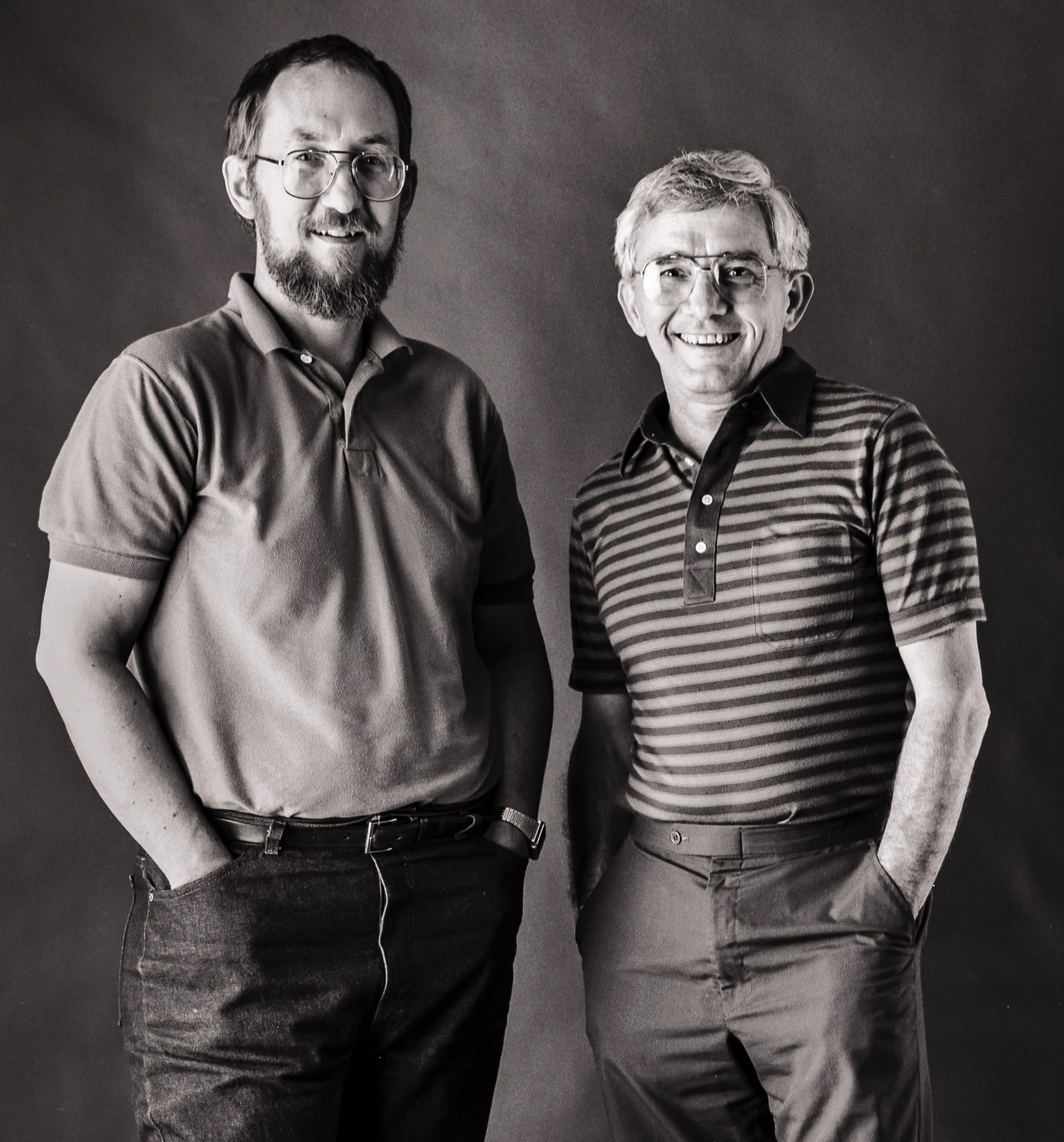
"Before we get started looking at some of my more well known images I want to mention that I received news today about my brother's declining health and imminent death. It brought back memories of us as kids and teenagers, casting a reflective mood over my thoughts. This mood colors the rest of this conversation. The above photo from my personal collection is of Bill (right) and me (left) taken circa 1980 and is an image I cherish.

One of Andrew's most memorable subjects is Daisy Bates, a key figure in the Civil Rights Movement. The story behind this photograph, taken in 1987, is not only historically significant but also a testament to Andrew's skill in capturing the depth and dignity of his subjects. It's these qualities that make his work not just collectible but invaluable.
All images are giclée printed on 17" x 22” 100% cotton rag, acid-free paper with archival inks.
As I prepare for an exhibit in honor of Black History Month during the month of February (this exhibit will be hosted in my home studio, details shared soon) I have been reviewing images of women of color from my archive. Among the significant people I've photographed is Daisy Bates, a pivotal figure in the civil rights movement and a key player during the Central High crisis in Little Rock. I had the honor of making a photograph of her in 1987. The experience of capturing her image was deeply meaningful.
My move to Little Rock in 1981 was a significant turn in my life. It's interesting to note that I was in high-school in 1957, unaware of Arkansas and the historic events unfolding at Central High School. My connection with the civil rights movement began later, in college, where I started participating in protests and parades against the war in Vietnam and for civil rights.

Reflecting on the Vietnam War era, I see a clear connection between the struggles for civil rights and opposition to the war. This period was marked by a growing awareness of social injustices, influencing my perspective and my work. I took the above photograph on the University of Arkansas campus as protestors (who were Vietnam Veterans) of the Vietnam war reenacted the horrors of war in front of the campus ROTC program.

“Keeping In Touch” project for the Arkansas AIDS Foundation. This portrait of compassion in the face of AIDS was taken by Andrew in the 1980’s. Andrew tells of the project and this woman’s compassion,
“I was invited to produce an exhibit as an educational tool around aids. It was during the time when people were terrified about aids and terrified about people who had AIDS and homophobic things in connection with people who had aids. I was invited to photograph people who had AID/ HIV Positive, people who had lost family members, who had lost lovers, or people who were just concerned and trying to do something to help.
There were organizations that helped with this cause. In this case the Arkansas AIDS Foundation. This one in particular was an advocacy organization that was trying to make things work better. So what we did was we had a private gathering in my studio with people who fit that criteria. Basically anyone who fit that criteria or who cared enough to be a part of it. There were a lot of people who came to it who were AIDS/HIV positive or people who had lost loved ones and we would have a conversation. We recorded those conversations and then we put together an exhibit of photographs that I had taken and excerpts from the conversations and it was used by this organization as an educational tool at malls and high schools and they would educate people that this wasn’t something they needed to be afraid of and encourage a more compassionate view.
The woman in this photograph came to that gathering and she had a relative who was dying of aids and they had this baby. There was a lot of fear at that time that people who had aids that gave birth to that the babies would also have aids. (This turned out not to be the case in the majority of the time). In an act of compassion (a sense of which can be felt when looking at this image) this woman adopted this baby after both of its parents died of AIDS.”
-Andrew Kilgore
All images are giclée printed on 17" x 22” 100% cotton rag, acid-free paper with archival inks.
One of the most touching projects I undertook was during the AIDS epidemic in 1988. I was invited to participate in the “Keeping In Touch” project for the Arkansas AIDS Foundation. This involved photographing individuals affected by AIDS, including those who were HIV positive, had lost family or lovers, or were actively working to combat the stigma and fear surrounding AIDS. This led to an exhibition combining my photographs with excerpts of recorded conversations, serving as an educational tool to foster compassion and understanding.
The woman in the photograph above came from that exhibit. She had a relative who was dying of aids, who had given birth to the baby she was holding. There was a lot of fear at that time that the babies of people who had aids would be born with aids. (This turned out not to be the case with the majority of babies). In an act of compassion (a sense of which can be felt when looking at this image), this woman adopted this baby after its parents died of AIDS.

“Keeping In Touch” project for the Arkansas AIDS Foundation. This portrait of compassion in the face of AIDS was taken by Andrew in the 1980’s. Andrew tells of the project and this woman’s grief,
“I was invited to produce an exhibit as an educational tool around aids. It was during the time when people were terrified about aids and terrified about people who had AIDS and homophobic things in connection with people who had aids. I was invited to photograph people who had AID/ HIV Positive, people who had lost family members, who had lost lovers, or people who were just concerned and trying to do something to help.
There were organizations that helped with this cause. In this case the Arkansas AIDS Foundation. This one in particular was an advocacy organization that was trying to make things work better. So what we did was we had a private gathering in my studio with people who fit that criteria. Basically anyone who fit that criteria or who cared enough to be a part of it. There were a lot of people who came to it who were AIDS/HIV positive or people who had lost loved ones and we would have a conversation. We recorded those conversations and then we put together an exhibit of photographs that I had taken and excerpts from the conversations and it was used by this organization as an educational tool at malls and high schools and they would educate people that this wasn’t something they needed to be afraid of and encourage a more compassionate view….
…Her son had died of AIDS in San Fransisco. He was gay and had gone to SF and had contracted HIV/AIDS and had died of it. She went to San Fransisco and cared for him and became really involved in the community there and talked about the funeral services and talked about how much support the people in the community gave each other and how active this particular church was there in supporting people with AIDS or who were testing positive for HIV.
She was a friend of mine from the Episcopal Cathedral in Little Rock. She had been crying for like a half an hour when I took this picture. She was still deeply mourning the loss of her son and not just her son but so many of the people she had met while she was in San Francisco.”
-Andrew Kilgore
All images are giclée printed on 17" x 22” 100% cotton rag, acid-free paper with archival inks.
Another poignant memory from “Keeping in Touch” is of a woman who lost her son to AIDS. Her grief was palpable, adorned with beaded necklaces, still mourning not only her son but the many she met who were affected by the epidemic in her son’s San Francisco community.
Each image I've taken holds a special place in my heart. They are not just photographs but stories of compassion, resilience, struggle, and humanity. I hope these glimpses into my journey inspire you to see the people you meet in the world through a lens of empathy and understanding." - Andrew
View more of Andrew’s photography at the Portraits home page.
Sign up to receive future posts in your inbox, send questions/comments, or inquire about scheduling a sitting with Andrew below: